
Malaysia-China Economic Ties Must Deliver More Than Investment, Trade Gains
KUALA LUMPUR, Nov 27 (NNN) -- Malaysia must steer its next phase of economic cooperation with China beyond headline trade and investment figures, focusing instead on technology transfer, local talent development and the integration of Malaysian small and medium-sized enterprises (SMEs) into regional and global value chains.
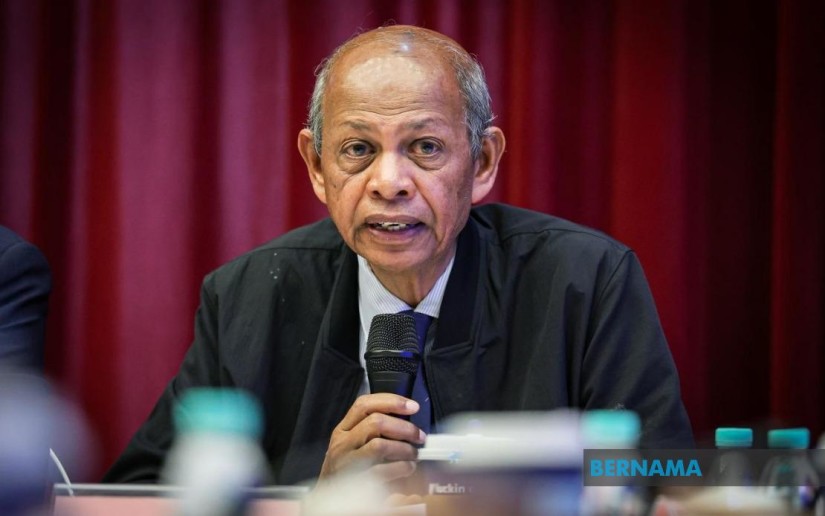
Former Malaysian Ambassador to China Datuk Abdul Majid Ahmad Khan said the long-standing friendship and comprehensive strategic partnership (CSP) between the two countries provided a strong foundation for expanding practical cooperation that would deliver tangible benefits to both sides.
Building on this momentum, Abdul Majid, who is also Malaysia-China Friendship Association president, said there was considerable potential for deeper cooperation in areas such as the digital and green economies, artificial intelligence, technical and vocational education and training (TVET) and skills development.
“For Malaysia, our objective should go beyond attracting investment and increasing trade figures.
“We should place greater emphasis on technology transfer, developing local talent, strengthening the participation of Malaysian SMEs and enhancing our position in regional and global value chains,” he said at a symposium on “Understanding China’s Governance: Insights and Implications of the Fifth Plenary Session of the 20th CPC Central Committee”, hosted by the Chinese Embassy here on Friday.
Referring to the CPC’s fifth plenary session held in Beijing last month, he said the gathering underscored the party’s determination to strengthen its governance capacity and steer the country into its next phase of development.
“For Malaysia, our task is to identify relevant lessons, strengthen our own institutions and make the most of opportunities that closer cooperation with China can offer,” he said.
On the regional front, Abdul Majid said stronger ASEAN-China cooperation in trade, connectivity, education, innovation and sustainable development could contribute significantly to regional stability and shared prosperity, while upholding ASEAN centrality and safeguarding the interests of all member states.
Meanwhile, Centre for New Inclusive Asia president Koh King Kee said China's experience in industrialisation, infrastructure development, poverty reduction and long-term planning had attracted interest, particularly across the Global South.
However, he stressed that China's governance experience should be studied objectively.
“Each country has its own history, culture, institutions and development conditions; no single model can be applied everywhere,” he said.
Koh said China’s growing international influence also brought wider responsibilities amid geopolitical tensions, protectionism, economic fragmentation and pressure on multilateral institutions.
He said both ASEAN and China shared an interest in a peaceful, stable and prosperous region.
“For ASEAN, including Malaysia, China's stability and prosperity are important. China and ASEAN are each other's largest trading partners, and their economic ties continue to deepen through trade, investment, connectivity, and regional cooperation,” he said.
--NNN